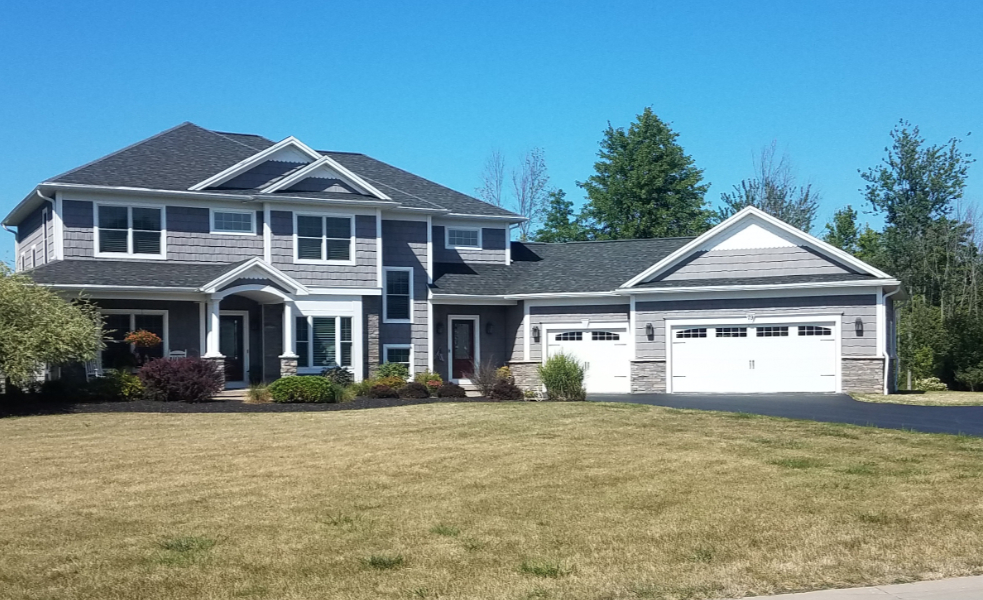
When people think about building a custom home, they usually start with the fun stuff—the kitchen, the layout, the finishes, the big windows, and all the little details that make a house feel like yours.
But there’s another part of the design process that deserves just as much attention: how the home will perform over time.
A sustainable custom home isn’t necessarily about making your house look “green” or adding every eco-friendly product you can find. It’s about making smart decisions early in the process that can improve efficiency, comfort, durability, and long-term value.
And honestly, this is one of the biggest advantages of building custom.
You get the opportunity to think about these things before the walls go up, rather than trying to make changes after the fact.
Start with the Home’s Design
One of the simplest ways to make a custom home more efficient is to think about sustainability before construction even begins.
The way a home sits on the lot can make a difference. Window placement, natural light, roof orientation, room layout, and even the location of outdoor spaces can all affect how the home uses energy throughout the year.
For example, strategically placed windows can bring in plenty of natural light during the day while also taking advantage of seasonal sunlight. Proper shading can help keep the home cooler during the warmer months.
These aren’t necessarily complicated changes. They’re decisions that can be made during the design phase – and that’s exactly when they make the most sense.
Invest in a High-Performance Building Envelope
A lot of homeowners focus on appliances and HVAC systems when they think about energy efficiency. Those things matter, but the home’s building envelope is just as important.
The building envelope includes the walls, roof, windows, doors, and foundation that separate your living space from the outside.
Good insulation and proper air sealing help keep conditioned air where it belongs. Energy-efficient windows and doors can reduce heat transfer and drafts. Together, these choices can make the home more comfortable while reducing how hard your heating and cooling systems have to work.
And there’s a practical benefit here, too.
A well-built home tends to feel more consistent from room to room. You shouldn’t have one bedroom that’s always freezing while another feels like a sauna.
Consider Solar Energy
If you’re interested in renewable energy, solar is worth discussing early in the custom home process.
The key word is early.
Roof orientation, roof design, electrical planning, and overall energy consumption can all influence how effective a solar system will be. When solar is considered during the design phase, it can be incorporated into the home more seamlessly instead of being treated as an afterthought.
Depending on your property and energy needs, battery storage may also be worth considering.
The right solution will be different for every homeowner, so it’s important to look at the overall project rather than assuming solar automatically makes sense for every home.
Choose an Efficient Heating and Cooling System
Here in the Northeast, heating and cooling aren’t something you can ignore.
Your HVAC system will have a major impact on both comfort and energy consumption, which is why efficiency should be part of the conversation from the beginning.
Heat pumps, high-efficiency systems, smart thermostats, and zoning can all help manage energy use more effectively. But just as important as choosing efficient equipment is making sure the system is properly designed and sized for the home.
Bigger isn’t always better.
An HVAC system that’s properly matched to the home’s size, insulation, windows, and layout will generally perform better than one that’s simply oversized.
Be Thoughtful About Building Materials
There are a lot of options available today, including responsibly sourced wood, recycled or reclaimed materials, locally sourced products, and durable finishes.
But sustainability doesn’t mean choosing the newest or most expensive product available.
Sometimes the more sustainable choice is simply choosing a material that’s durable, easy to maintain, and built to last.
The same goes for interior finishes. Low-VOC paints, adhesives, flooring, and sealants are worth considering if indoor air quality is important to you.
When you’re building a home that’s supposed to last for decades, material selection deserves some thought.
Don’t Forget About Water
Energy gets most of the attention when people talk about sustainable homes, but water matters too.
Low-flow fixtures, efficient toilets, and water-saving appliances can reduce household water consumption without changing the way you live very much.
Outside, landscaping can make an even bigger difference.
Native plants and other climate-appropriate landscaping can require less water and maintenance. Rainwater management, permeable surfaces, and thoughtful grading can also help manage runoff around the property.
These decisions aren’t just about sustainability. They can make the property easier to maintain, too.
Use Smart Technology Where It Actually Helps
Smart home technology can be useful when it’s solving a real problem.
A smart thermostat can help manage heating and cooling based on your schedule. Energy monitoring can show you where electricity is being used. Smart lighting can automatically shut off when rooms aren’t occupied.
The important thing is not to add technology simply because it’s available.
The best technology is the stuff you actually use.
A well-designed smart home should make your life easier while giving you better control over how your home uses energy and resources.
Think About the Property, Not Just the House
A sustainable home doesn’t stop at the front door.
The way the entire property is designed matters.
Trees can provide shade and help reduce heat around the home. Native landscaping can support local ecosystems while reducing maintenance. Permeable walkways and patios can help manage stormwater.
Even the location of outdoor living spaces can make a difference in how often you use them throughout the year.
When you’re building custom, you have the opportunity to look at the home and property as one complete project instead of treating landscaping as something that happens after construction is finished.
Build for the Long Term
This is probably the part of sustainability that gets overlooked the most.
A home that lasts is a sustainable home.
That means choosing durable materials. It means creating a layout that can adapt as your family changes. It means building with quality instead of focusing only on what looks good on move-in day.
You may not know exactly what your life will look like 10, 20, or 30 years from now. But you can make decisions today that give your home some flexibility for whatever comes next.
And that’s one of the biggest advantages of custom building—you can plan for the future instead of simply building for today.
Sustainability Should Be Part of the Process
At Holding Homes, we believe sustainable building isn’t about checking a list of trendy features.
It’s about making smart decisions that fit the home, the property, the homeowner, and the budget.
Sometimes that means better insulation. Sometimes it means a more efficient HVAC system. Sometimes it means solar, better windows, durable materials, or simply designing the home in a way that takes advantage of natural light and the surrounding property.
There isn’t one sustainable home design that works for everyone.
The important thing is to have these conversations early, when there’s still an opportunity to make meaningful decisions.
Because when you’re building a custom home, you’re not just deciding what it will look like.
You’re deciding how it will feel to live in, how efficiently it will operate, how much maintenance it will require, and how well it will serve your family for years to come.
That’s what thoughtful custom home building is really about-building something that works for your life today while making smart choices for tomorrow.