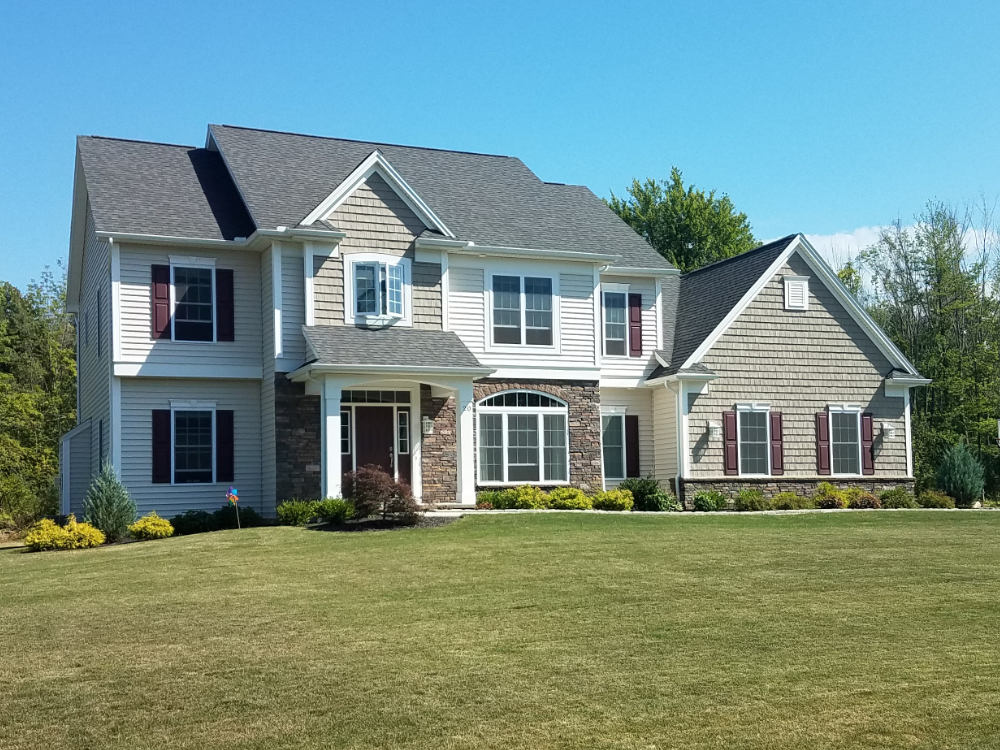
Buying a home is one of the biggest decisions you’ll ever make — and one of the first choices you’ll face is how to buy. Do you build a custom home from the ground up, or purchase an existing house that’s ready to move into?
There’s no one-size-fits-all answer. Both options come with unique benefits, tradeoffs, and lifestyle implications. Let’s break it down so you can decide which path makes the most sense for your goals, budget, and timeline.
The Case for Building a Custom Home
Building a custom home means starting with a blank canvas. You choose the land, design the layout, select finishes, and oversee the process from concept to completion.
Advantages of Custom Home Building
1. Complete Personalization
From the floor plan to the countertops, everything is designed around you. Whether you want an open-concept kitchen, a home office, or energy-efficient features, customization is the biggest draw.
2. Modern Design and Technology
New homes are built to current building codes and include modern electrical systems, insulation, HVAC, and smart-home capabilities. This often results in better energy efficiency and lower utility bills.
3. Lower Maintenance (Initially)
Because everything is brand new, maintenance and repair costs are typically minimal during the first several years. Many components also come with builder or manufacturer warranties.
4. Long-Term Value
If you plan to stay in your home for many years, building custom can be a smart long-term investment. You’re less likely to outgrow the space or need major renovations later.
Challenges of Building Custom
1. Higher Upfront Costs
Custom homes often cost more per square foot than existing homes. Expenses like land acquisition, site preparation, permits, and upgrades can add up quickly.
2. Time Commitment
Building a home isn’t fast. The process can take anywhere from 6 to 12 months (or longer), depending on design complexity, weather, and material availability.
3. Decision Fatigue
Every detail is a choice — flooring, fixtures, cabinets, paint colors. While exciting, it can also become overwhelming.
4. Budget Uncertainty
Unexpected site conditions or design changes can push costs beyond the original estimate unless you plan carefully with a contingency budget.
The Case for Buying an Existing Home
Buying an existing home — whether older or relatively new — means purchasing a property that’s already built, inspected, and part of an established neighborhood.
Advantages of Buying an Existing House
1. Faster Move-In
Most existing home purchases close within 30–60 days, making this the best option if you need housing quickly.
2. Lower Initial Cost
Existing homes are often more affordable upfront than custom builds, especially in competitive markets or desirable neighborhoods.
3. Established Neighborhoods
Mature landscaping, nearby schools, community amenities, and convenient access to shopping and work are common benefits.
4. What You See Is What You Get
You can walk through the home, evaluate the layout, and negotiate based on inspection results — reducing uncertainty.
Challenges of Buying Existing
1. Limited Customization
You may need to compromise on layout, finishes, or style — or budget for renovations after purchase.
2. Higher Maintenance Costs
Older homes may require repairs or upgrades sooner, such as roofing, plumbing, HVAC, Electrical, Kitchen, Bathrooms, Etc.
3. Potential Hidden Issues
Even with inspections, issues like outdated wiring, inefficient insulation, outdated utilities can surface later.
Cost Comparison: Build vs. Buy
While costs vary by location and market conditions, here’s how expenses typically differ:
Custom Build Costs May Include:
- Land purchase
- Site preparation and utilities
- Construction and labor
- Permits and inspections
- Landscaping and driveways
Existing Home Costs May Include:
- Purchase price
- Closing costs
- Repairs after inspection
- Renovations or updates
- Ongoing maintenance
Key takeaway: Building usually costs more upfront but may save on maintenance and energy over time. Buying often costs less initially but may require upgrades later.
Final Thoughts
Choosing between building a custom home and buying an existing house ultimately comes down to priorities.
- Build a custom home if you value personalization, modern features, and long-term satisfaction — and you’re comfortable with a longer timeline and potential cost variability.
- Buy an existing home if speed, budget predictability, and established neighborhoods matter most.
Both paths can lead to a place you love. The key is understanding what fits your lifestyle today and your plans for the future.